
Oranev Letters
01 — FATIGUE & WEIGHT — EDITORIAL RECORD — 2026

Tracing Fatigue Through Everyday Weight Shifts.

An independent record of how rest, nourishment, and daily patterns gradually shape body composition — observed without shortcuts.

Warm editorial flat lay of an open notebook beside a ceramic cup of tea and a small plant on a cream linen surface in soft morning light

LONDON — 2026 — FIELD NOTES, ARCHIVED

3
Featured Articles
1500+
Words Per Piece
20
Keywords Tracked
2026
Publication Year
03 — TOPICS COVERED

Areas of Editorial Focus

01

Sleep Quality and Weight

How the depth and duration of nightly rest correlates with appetite-regulating signals, portion awareness, and gradual shifts in body composition over weeks and months.

02

Low-Energy Eating Patterns

The relationship between chronic low energy and the gradual drift toward convenience foods, larger evening portions, and irregular meal timing throughout the day.

03

Movement When Tired

Exploring how light activity — short walks, gentle stretching, brief movement breaks — interacts with fatigue cycles and supports rather than depletes daily energy reserves.

04

Energy Rhythm and Meal Timing

Observations on how aligning eating schedules with the body's natural energy fluctuations — including the afternoon energy slump — may support more consistent weight patterns.

05

Recovery Sleep and Body Composition

Notes on how consistent sleep schedules and recovery rest periods influence the body's energy accounting system and support a more stable relationship with food.

EDITORIAL NOTE

Oranev Letters is an independent editorial publication focused on everyday wellness practices. The publication is not affiliated with any commercial, governmental, or institutional body.

Our Standards →
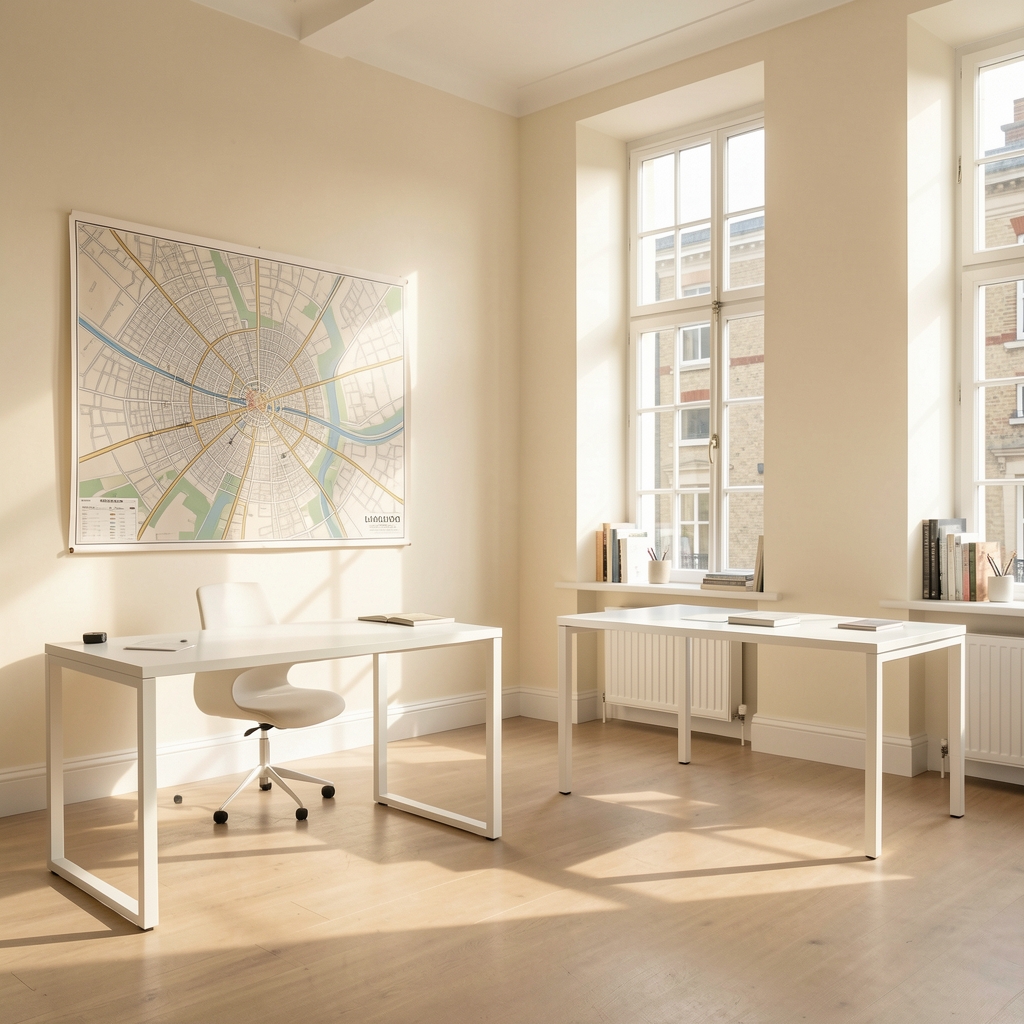
Bright minimalist editorial studio with cream walls a large map of London on one wall two white desks and afternoon sunlight streaming through tall windows
04 — ABOUT THE PUBLICATION

An Independent Record. A Considered Perspective.

Oranev Letters began as a small notebook of observations — a record of how the quiet rhythms of rest and nourishment seemed to influence, over time, something as tangible as a person's weight. What started as marginal notes became a structured editorial process, and that process became this publication.

Each piece is reviewed before publication, sources are cited where appropriate, and writers are encouraged to approach the subject with the same degree of patience that the subject itself demands. There are no quick conclusions here.

05 — EDITORIAL POSITION
“Fatigue and body weight are rarely examined together with the patience they both require. This publication takes the long view.”

Eleanor Whitfield — Editor, Oranev Letters

06 — COMMON QUESTIONS

Frequently Asked

Questions about the publication's approach, the topics covered, and how the editorial process works.

When the body operates under persistent low energy, it tends to shift toward eating patterns that prioritise fast-releasing foods. Appetite-regulating signals also shift when rest is insufficient, making it harder to recognise fullness accurately. Over weeks, these small daily adjustments accumulate into measurable changes in body composition.

Research consistently notes that shortened or fragmented sleep correlates with increased appetite, particularly for energy-dense foods. The afternoon energy slump that follows a poor night often triggers additional eating. Oranev Letters explores these patterns through editorial analysis of published nutritional and sleep research.

The distinction between restoring and depleting movement is central to our coverage. Short walks and gentle activity appear in the evidence base as supportive of energy balance, whereas high-intensity routines when fatigued may amplify exhaustion. The articles in this publication address that distinction with care.

Articles are written by a small editorial team and invited guest writers with backgrounds in nutrition communication, wellness writing, and evidence-informed journalism. Each piece is reviewed before publication, and writers disclose any commercial relationships that could influence their selection of subject matter.

Minimal interior scene with natural light streaming through a large window onto a wooden desk with a closed laptop a glass of water and a sprig of eucalyptus
07 — STAY UPDATED

Read the full editorial archive.

Three long-form articles exploring the quiet relationship between fatigue, rest patterns, and how the body manages weight over time. Each piece is independently written and reviewed.